Ask anyone who lives here what the best month to visit Koh Tao is and you’ll get a different answer depending on what they love — diving, budget deals, or Songkran water fights. This is the honest month-by-month breakdown from people who actually watch the weather change from the same spot year-round. For the full picture on everything the island offers, start with our complete Koh Tao guide.
The short version: Koh Tao works year-round, but each season trades something for something else. Here’s exactly what you’re getting — and giving up — every month of the year.
By Wonderland · Koh Tao locals since 2018 · Last updated: March 2026
The best month to visit Koh Tao for most travellers is somewhere between March and May — warm, dry, calm seas, and whale shark sightings at their peak. December through February is busiest and priciest. October is cheapest and quietest. April wins overall for weather, diving, Songkran, and manageable crowds.
Table of Contents
November to January — Peak High Season
This is when Koh Tao is at its fullest and most expensive. Late December through February is the hardest window to find a bed anywhere on the island — hostels sell out for days at a time and prices hit their annual peak.
November is the wild card. It’s technically the tail end of monsoon season, and you can get multi-day rain stretches that keep the seas choppy and the beaches quiet. Some weeks are gorgeous, others are grey. It’s a gamble — but if you hit a good week, you get high-season weather at low-season prices.
December clears up fast. By mid-month the skies are reliably sunny, temperatures sit around 28°C, and the island shifts into full festive mode. Christmas and New Year on Koh Tao are genuinely fun — bars on Sairee Beach run countdowns, hostels host their own parties, and the atmosphere is electric without the chaos of a Full Moon Party. If you’re planning a December or January trip, book accommodation far in advance — late bookers often find nothing available for days.
January is dry, warm, and busy. Great weather for beaches and snorkelling, though diving visibility is still improving after the monsoon — it’s not peak dive season yet. Crowds thin slightly after the New Year rush but pick back up by mid-January as the European winter-escape wave arrives. At Wonderland, January is one of the busiest months — book a few days ahead if you’re coming during this window.
The honest verdict: December and January deliver reliable sunshine and a buzzing social scene, but you’ll pay peak prices and compete for beds. November is only worth it if you have schedule flexibility and can handle weather uncertainty.
February to April — Late High Season and the Sweet Spot
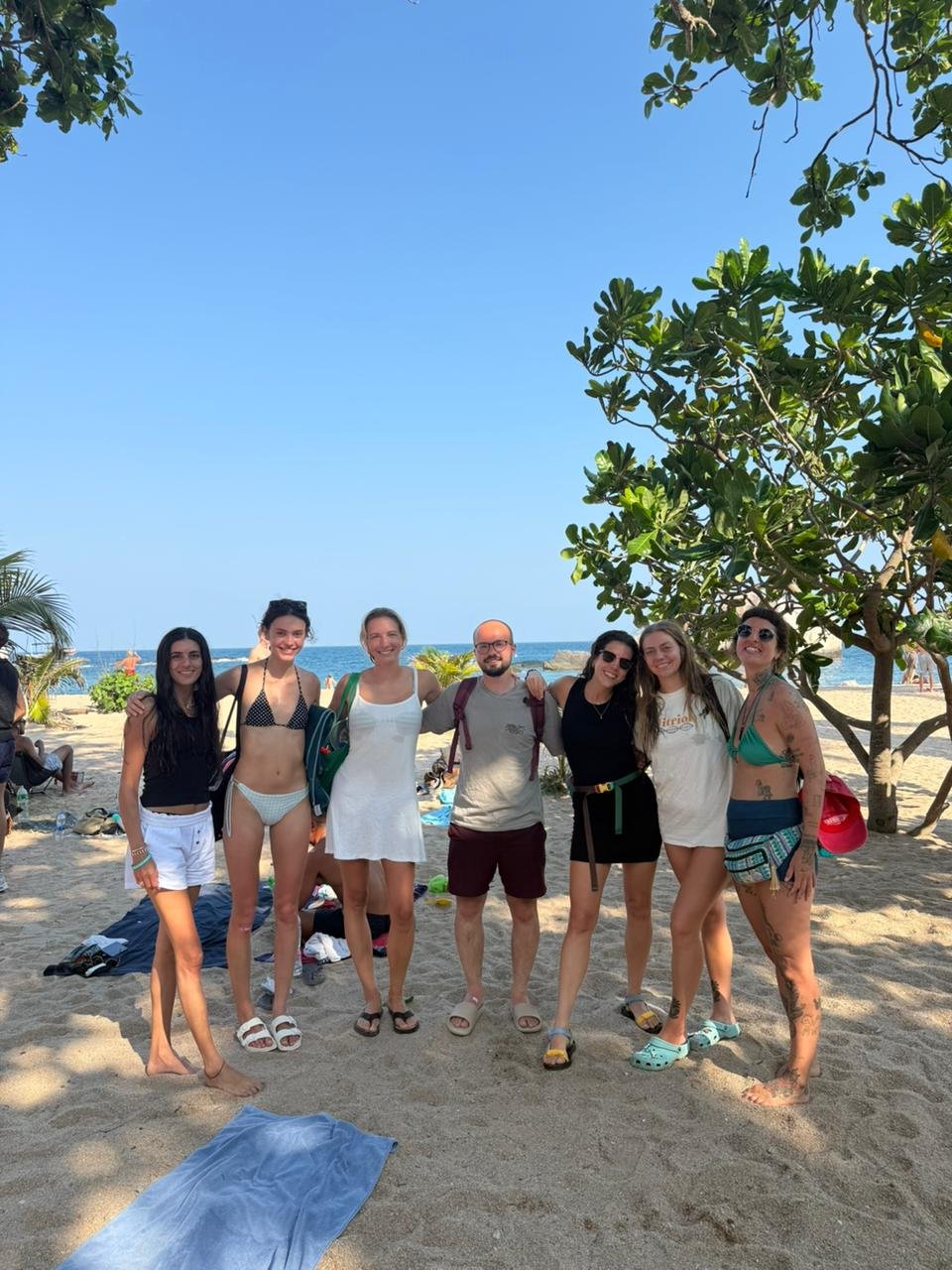
If you’re asking for a single best month to visit Koh Tao, this window delivers it. February is still comfortably busy, March starts thinning out, and April delivers hot weather, calm seas, whale sharks, and Songkran — all at once.
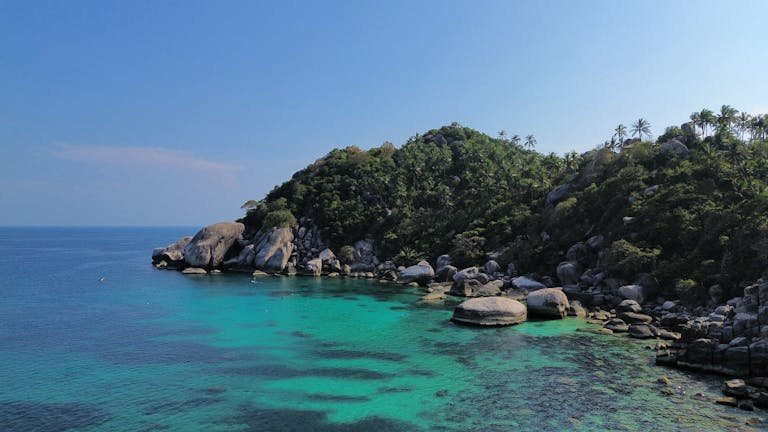
Weather: Hot. Properly hot. Temperatures push 30–34°C through this stretch, with consistently clear skies and minimal rain. April is one of the hottest months on the island — beach days are long and the water is warm enough to snorkel without a rash guard.
Diving: March through May is THE whale shark window. The seas are at their calmest, visibility regularly hits 20–30 metres, and dive boats run every site without weather cancellations. If underwater life is part of your plan, this is when to come — our full Koh Tao diving guide covers certification costs, top sites, and which school to book. Wonderland’s reception can sort your first dive trip the morning after you arrive — most dive schools offer free pickup from the hostel.
Crowds: February still has the tail end of high-season density, but by March the island feels noticeably more relaxed. April is lighter still, except during Songkran week (13–15 April) when Thais and travellers alike flood in for the water-fight celebrations.
Songkran deserves its own mention. Thai New Year is a three-day, island-wide water fight — pickup trucks with water barrels cruise the roads, everyone is fair game, and Koh Tao does it better than most of mainland Thailand because the whole island is walkable. Wonderland hosts its own Songkran festivities, and the common area turns into a base camp for the day’s battles. It’s one of those experiences that makes people rebook the following year.
May to June — The Shoulder Season Secret
May and June are the months Koh Tao locals quietly love. Prices drop, beds are available without advance booking, the whale shark window extends into May, and the weather is still mostly good — just with the occasional afternoon downpour that clears in an hour.
Weather: Hot, humid, with short tropical rain bursts. These aren’t monsoon conditions — think a heavy shower at 3pm that’s gone by 4pm, followed by sunshine. Average temperatures hover around 29–31°C. The heat is real, but the brief rain actually cools things down in a way that March and April don’t.
Diving: May is still excellent. Visibility stays high, seas remain calm, and you’re at the tail end of the whale shark season. June is decent but conditions start becoming less predictable — some weeks are glass-calm, others get choppier swells from the southwest.
Crowds: Noticeably quieter than any month since November. Accommodation prices drop across the island. You won’t struggle to find a bed anywhere, and dive courses have smaller groups — which means more personal attention underwater.
The social scene shifts too. With fewer people on the island, the community at places like Wonderland tightens up — you end up spending more time with the same group of travellers, which is how the best travel friendships actually form. The weekly island parties still run (Escobar, Secret Party, Jungle Party, Leo Beach Music Festival — they rotate every few days), so nightlife doesn’t disappear.
July and August — European Summer Rush
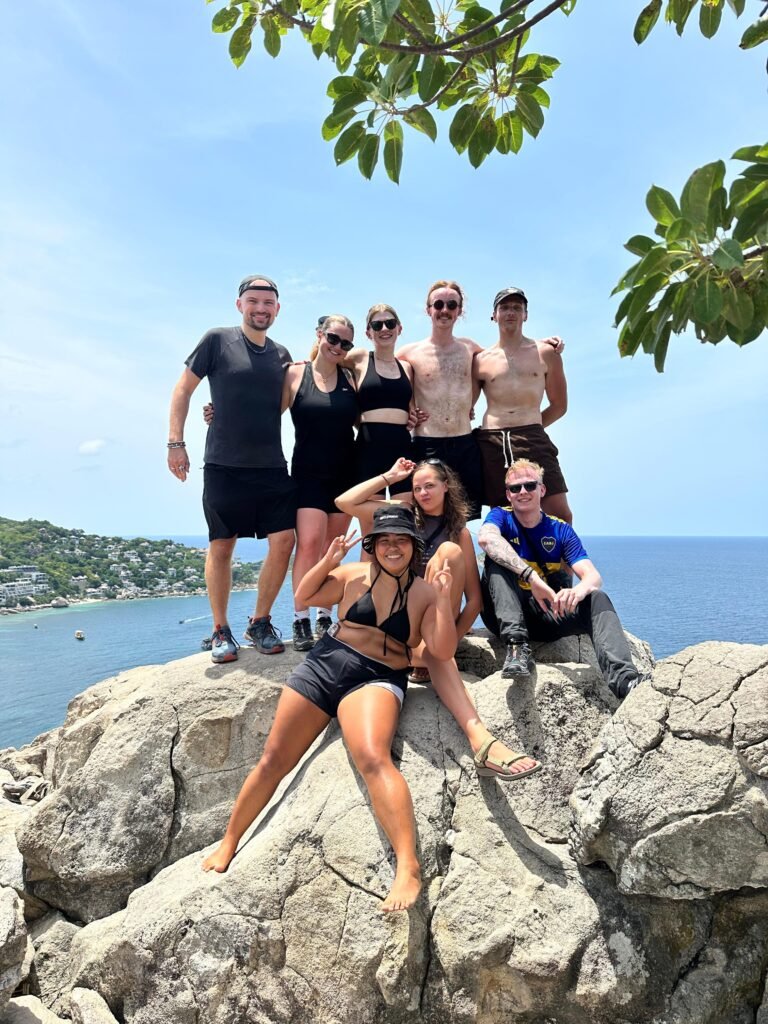
July and August bring a second busy spike, driven almost entirely by European summer holidays. It’s not as packed as the December–January crush, but the island is noticeably busier than the shoulder months before and after.
Weather: Warm with more variability than the March–April window. You’ll get stretches of clear sunshine broken up by overcast days and occasional rain. Temperatures sit around 28–30°C. Not the most reliable beach weather, but far from bad — most days are still perfectly swimmable.
Diving: Conditions vary week to week. Some weeks deliver beautiful visibility; others are murkier after a rain spell. Dive schools still run daily, and you can absolutely get great dives — just don’t expect the consistent 30-metre visibility you’d get in April. If diving is the main reason for your trip, March–May is the stronger call.
Crowds and prices: Busier than May–June, quieter than December–February. Hostel availability tightens — booking a few days ahead is smart, especially for popular places. Prices sit in a middle ground: higher than shoulder season, lower than Christmas peak.
Full Moon Party: The monthly Full Moon Party runs on nearby Koh Phangan, and July–August is one of the busiest stretches for it. The catch: prices on Koh Phangan spike around Full Moon dates and accommodation books out fast. Most Koh Tao travellers do it as a night trip — ferry over, party, ferry back the next morning — rather than relocating for it.
The honest verdict: Good months if your schedule is locked to European summer holidays. Solid but not spectacular. If you have date flexibility, you’ll get a better deal and better dive conditions either side of this window.
“The common area feels like your coolest friend’s living room and people are so much fun.”
— Kolton Kozlowski, Google 5★
September to October — Monsoon and Low Season
October is the quietest and cheapest month on Koh Tao. September is the transition into it. Rain is real during this stretch — but it almost never ruins a trip the way people fear.
Weather: October and November are officially rainy season, but “rainy season” on a small Gulf island doesn’t mean what most people picture. Rain comes every few weeks in bursts — a few days of showers, then the sky clears and you get blazing sunshine again. Between rain spells, conditions can be indistinguishable from high season. The tricky part is you can’t predict which days will be wet. It’s rarely all-day grey — more like a heavy downpour for a couple of hours, then done.
Diving and snorkelling: Dive sites still operate, but visibility drops and seas can get rougher. Some snorkelling spots on the exposed west side become too choppy to enjoy safely. Sheltered east-coast bays like Hin Wong and Ao Leuk hold up better — our full snorkelling Koh Tao guide has the best shore spots by coast and conditions. If snorkelling is your main goal, this isn’t the ideal window — but diving with tanks is usually fine since you’re below the surface chop.
Prices: This is when everything gets cheap. Accommodation drops to its lowest annual rates, tour operators discount to fill boats, and you can often negotiate better deals on dive courses. October specifically is rock bottom for visitor numbers.
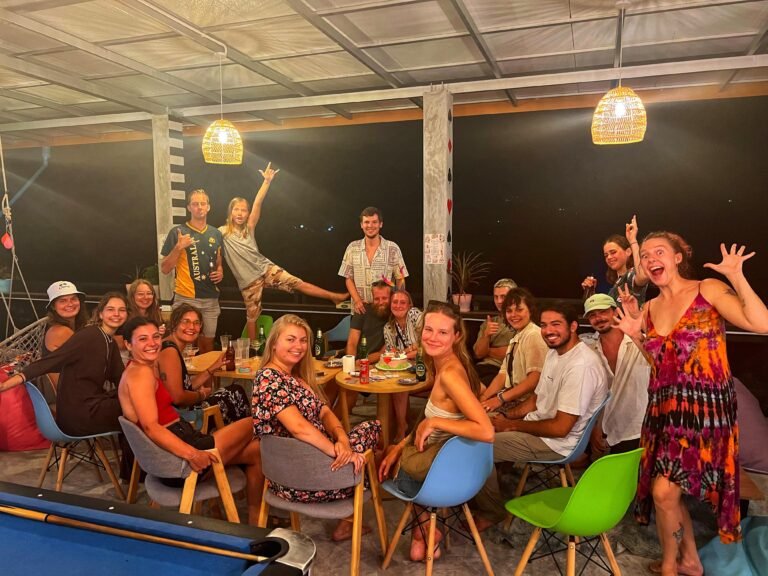
The social scene: Fewer travellers doesn’t mean boring. In some ways, the common area at Wonderland comes alive more in low season — the same group of people for a week means deeper friendships instead of revolving-door introductions. When rain hits, the common area becomes the activity hub: Mario Kart tournaments, karaoke nights, board games, movie screenings. Some of the longest guest stays — the “booked 3 nights, stayed 3 weeks” crowd — happen in shoulder and low season precisely because the community gets tighter.
The honest verdict: Perfect for budget travellers and anyone who values community over guaranteed sunshine. If you only have a short trip and need clear skies, aim for March–April instead. But if you have two weeks and some flexibility, September–October often delivers more good days than bad — and at a fraction of the cost.
Best Month to Visit Koh Tao by Activity
Different goals, different months. This table cuts through the noise — pick what matters most to you and plan around it.
| Activity | Best Months | Why |
|---|---|---|
| Diving (visibility + whale sharks) | March–May | Calm seas, 20–30m visibility, peak whale shark sightings |
| Snorkelling | November–May | Seas calm enough to snorkel from beaches. June–October can be too rough on the west side |
| Budget travel | October | Lowest prices for accommodation, tours, and dive courses |
| Meeting people | December–March | Highest traveller density. Hostel common areas and bars are packed |
| Festivals | April, November, December | Songkran (Apr), Loy Krathong (Nov), Christmas and NYE (Dec) |
| Avoiding crowds | May–June, September–October | Shoulder and low season. Half the people, same island |
| Photography | March–April | Clearest skies, best light, calmest water for drone and underwater shots |
There’s no single wrong month. But the best month to visit Koh Tao depends entirely on what you’re chasing — and timing it right makes a real difference. For a broader look at what’s available, check the full things to do in Koh Tao guide.
What a “Bad Weather Day” Actually Looks Like
Rain on Koh Tao almost never looks like what people imagine. It’s not a grey, drizzly European winter day. It’s a tropical downpour — heavy, loud, dramatic — that rolls through in one to three hours, then clears. The sun is often back the same afternoon.
Even in October (the wettest month), rain typically arrives every few weeks in short bursts, not as a constant presence. You’ll get a few days of showers, then a week of blazing sunshine. Multi-day grey stretches do happen — maybe once or twice a rainy season — but they’re the exception, not the norm.
The practical question is: does rain ruin a trip? If you have two weeks, almost certainly not. You’ll lose a couple of beach afternoons and gain a couple of the best social nights of your trip — because when it rains, everyone ends up in the same place. At Wonderland, that means the common area fills up with people who were strangers that morning and are making dinner plans by evening. Board games come out, someone connects a speaker, and the kind of night you didn’t plan for becomes the one you talk about later.
If you have three days and need guaranteed clear skies for a specific plan — a dive certification, a boat tour, a drone shoot — the best month to visit Koh Tao is March or April. Rain is genuinely rare and cancellations almost never happen.

FAQ
March through May. Seas are at their calmest, visibility regularly reaches 20–30 metres, and this is when whale shark sightings are most common around Chumphon Pinnacle and Sail Rock. Dive schools run all sites without weather cancellations. If you can only pick one month for diving, pick April.
October and November are the peak of rainy season, though September can bring early showers. Rain arrives in short tropical bursts — a few hours at most — not as all-day drizzle. Between rain spells, you’ll get stretches of clear sunshine that feel identical to high season. It’s unpredictable, not unpleasant.
Yes — European summer holidays drive a second busy spike. It’s not as packed as December through February, but popular hostels and dive courses book up. Reserve accommodation a few days in advance and you’ll be fine. Prices sit between shoulder season and peak season rates.
October. Visitor numbers hit their annual low, and accommodation, dive courses, and tour operators all drop prices to fill capacity. If you’re on a tight budget, October gives you the most island for the least money.
Almost never. Tropical rain on Koh Tao is heavy but short — one to three hours, then sunshine. Even in October, most days have more dry hours than wet ones. A two-week trip during rainy season will typically lose a couple of beach afternoons at most. If you need guaranteed clear skies for a short trip, stick to March–April.
Late December through early February can feel packed. Hostels sell out for days, Sairee Beach gets shoulder-to-shoulder at sunset, and dive boats run full. It’s still manageable — Koh Tao is small but not Phi Phi levels of overcrowded. If crowd density bothers you, May–June or September–October give you the same island with half the people.
High season (December–March) has the most travellers, which means more people to meet. But solo travellers do well any month — hostels like Wonderland run daily social activities year-round, so you’ll make friends whether the island has 500 visitors or 5,000. Shoulder season can actually be better for deeper friendships since you see the same faces for longer.
Your stay funds free education through Horizon Asia
“I planned just a few days but stayed almost a month.”
— Hostelworld 10/10
Best price guaranteed. Chalok Beach is five minutes on foot.
Some links in this guide earn a small commission. It costs you nothing extra — and every commission supports Horizon Asia’s free education programme on Koh Tao.
Keep Reading
- How to Get to Koh Tao — every route, ferry schedule, and transport option explained
- Where to Stay in Koh Tao — area guide and accommodation types by budget
- Koh Tao High Season — deep dive into peak season crowds, costs, and what to expect
- Best Beaches in Koh Tao — which beaches to hit depending on conditions
- Best Sunset Spots in Koh Tao — viewpoints and bars for golden hour
- Best Restaurants in Koh Tao — where to eat across the island
- Shark Bay Koh Tao — the island’s best turtle-spotting beach