
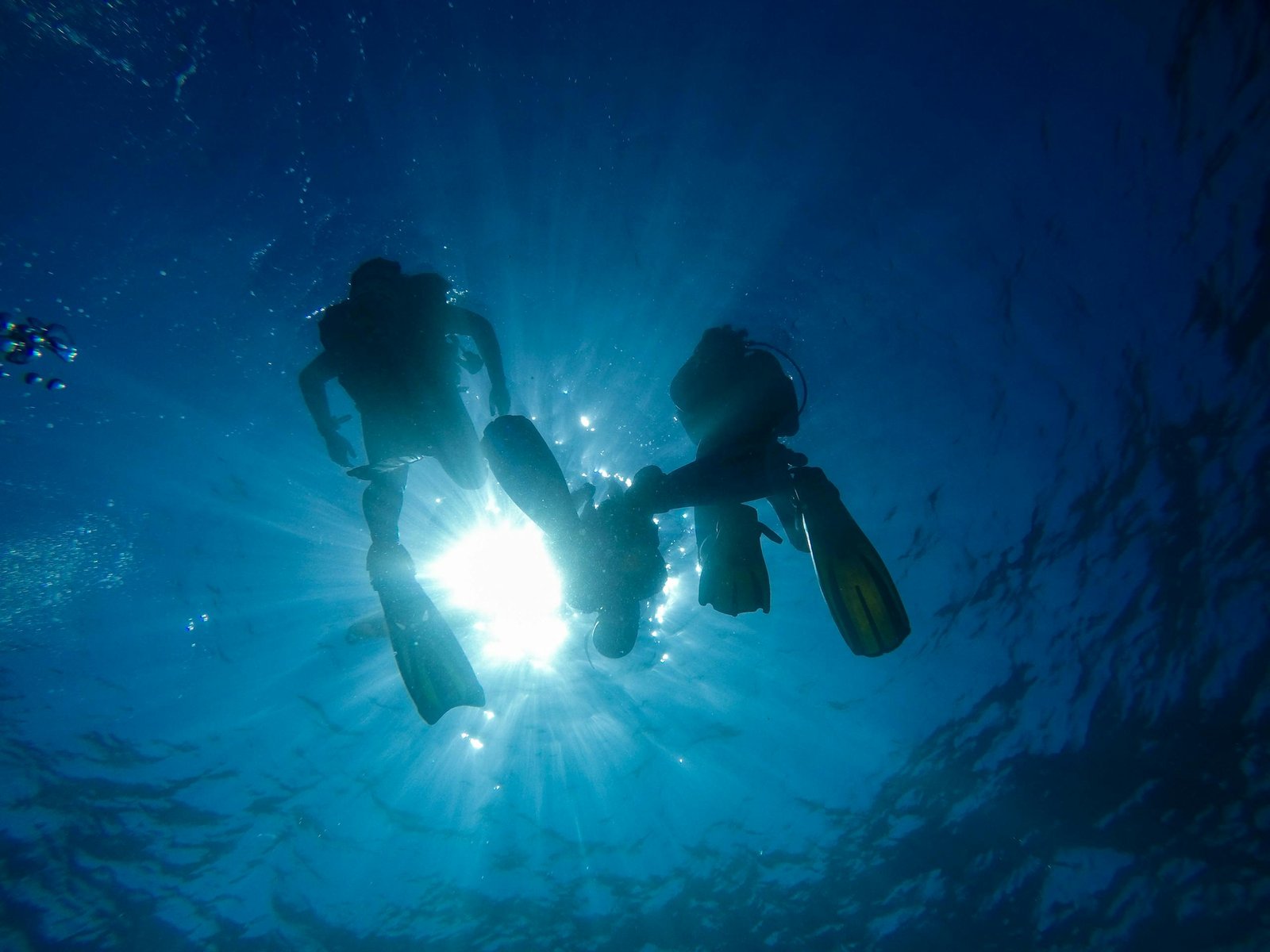
Comparing PADI vs SSI comes up before almost every other decision on this island, and it stresses people out more than it should. Here’s the plain version, from someone with no agency to defend.
Short answer: PADI, SSI and RAID all meet the same international training standard, and none of them will keep you out of the water. PADI has the biggest name recognition, SSI gives you the theory free for life, and RAID leans into online academics. Price tracks the shop far more than the agency. Pick the school and the instructor first. The agency card is the least important part of the decision.
Table of Contents
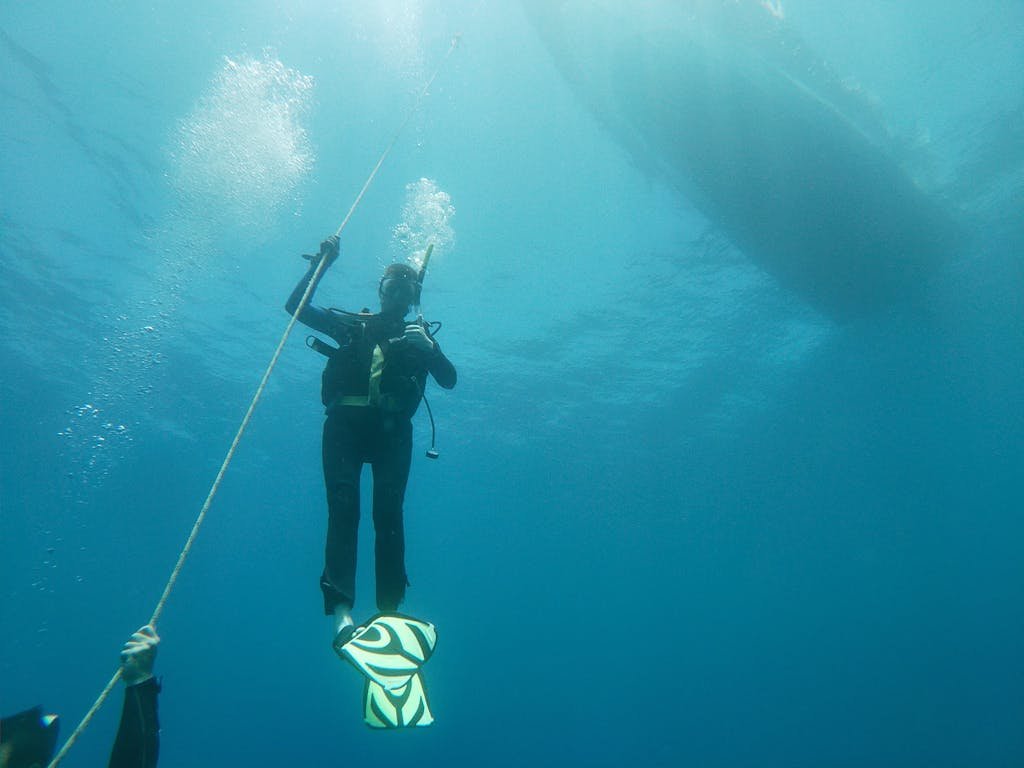
The short version: PADI vs SSI vs RAID
PADI, SSI and RAID are the three certification agencies you’ll actually run into on Koh Tao. All three are member agencies of the RSTC, the international body that sets minimum training standards for recreational diving. PADI and SSI’s entry-level Open Water courses are certified to ISO 24801-2, the standard for autonomous diving. RAID is also an RSTC member agency.
In practice, this means an Open Water certification from any of the three lets you dive independently, with a buddy, to a maximum depth of 18 metres. The differences between the agencies come down to price, materials and history, not depth limits or which sites you’re allowed into. For the wider picture on diving here, our Koh Tao diving guide covers site selection and how many days to budget for beyond the certification itself.
PADI was founded in 1966 and is the largest agency in the world by number of dive centres and certified divers. SSI is owned by the Mares/HEAD dive-equipment group and gives you the manual and certification card free through its MySSI app. RAID grew out of technical and rebreather diving before it built a full recreational program, and its academic materials are free online too. None of that is a hierarchy. It’s a shape.
Why this question feels scarier than it is
If you’ve spent any time on dive forums before landing on Koh Tao, you’ve probably absorbed one specific fear: that PADI is the “real” certification, and anything else is a shortcut you’ll regret the first time you try to dive somewhere serious. That fear isn’t really about diving. It’s about being new to something and not wanting to find out, years and one trip later, that you picked the wrong card.
Here’s what’s actually true: dive centres check your certification level and how recently you last dived, not which agency issued the card. A shop somewhere else in the world isn’t going to turn away a certified diver because the logo says SSI instead of PADI. What they’ll ask about is your last dive date and the depth you’re certified to. That’s it. If you’re still deciding whether diving is even for you, snorkelling on Koh Tao is a lower-commitment way to see the same reefs first.
The fear is real. The reason for it isn’t.
What the agencies actually share
Before comparing the differences, it’s worth being blunt about how much these agencies have in common. PADI, SSI and RAID are all RSTC member agencies, which means they answer to the same umbrella body, the World Recreational Scuba Training Council, that sets the floor for what a recreational certification has to include.
At Open Water level, all three cap you at 18 metres. All three use the same RSTC medical questionnaire before you start. Answer yes to certain questions and you’ll need a doctor’s sign-off, regardless of which card you’re chasing. One that catches people out: the form asks whether you are over 45, though a yes there on its own doesn’t automatically send you to a doctor, it just routes you to a few extra questions.
Wanting to dive deeper or do something more demanding is a call the individual dive centre makes based on your certification level, not a rule that changes by agency. The agency sets your floor. The dive centre sets what you’re allowed to do at its sites.
PADI vs SSI vs RAID: side by side
| Agency | Background | Koh Tao Open Water price | Materials & card | Known for |
|---|---|---|---|---|
| PADI | Founded 1966. Largest agency worldwide by dive centres and certified divers. | 9,000 to 13,000 THB | PADI sells eLearning separately, though Koh Tao shops normally quote an inclusive price | Widest brand recognition, especially going professional |
| SSI | Owned by the Mares/HEAD dive-equipment group | 9,000 to 12,500 THB | Free digital manual for life via MySSI, no separate materials fee | The cheapest courses on the island are SSI, but so are some of the dearest |
| RAID | Grew out of technical and rebreather diving before adding recreational courses | Around 11,000 THB | Free online academic materials and quizzes | Digital-first course structure, technical-diving roots |
| Prices checked across 16 Koh Tao dive shops’ own websites, September 2026. The spread inside each agency is wider than the gap between agencies. | ||||
Sort the certification, we’ll sort the stay
Book your Koh Tao base direct and skip the OTA markup.
Book Direct & SavePADI: the biggest name
PADI is the name most people have already heard, and there’s a reason: founded in 1966, it’s the largest dive agency in the world by number of dive centres and certified divers. If brand recognition outside diving matters to you, family who’ve never heard of RAID, a resume line later, PADI is what most non-divers picture when they hear “scuba certification.”
That size comes with a specific cost structure: PADI sells its eLearning as a separate product, where SSI and RAID give the theory away. On Koh Tao most shops fold it into one quoted price anyway, and your certification card is included everywhere we checked. PADI Open Water here runs anywhere from about 9,000 to 13,000 THB depending on the shop.
The one place PADI’s name genuinely does more work than the others is if you’re planning to go professional eventually, Divemaster or Instructor level. That’s the one area where PADI’s brand carries the widest recognition among employers. If you’re certifying to dive on holiday, that advantage mostly doesn’t apply.
SSI: the value pick
SSI is owned by the Mares/HEAD group, a major name in dive equipment manufacturing, and it runs a different cost model to PADI. The theory and manuals are free for life through the MySSI app, and your certification card is digital and free too. No separate eLearning fee, no card fee.
Here’s the part that surprises people: the cheapest Open Water course on Koh Tao is SSI, at around 9,000 THB, and so is one of the most expensive, at around 12,500. Across the 16 shops we checked, the spread inside each agency is wider than the gap between agencies. The logo is not what makes a course cheap. The shop is. If you’re working out costs for the wider trip, not just the course, our Koh Tao budget guide breaks down daily spending beyond diving.
What SSI genuinely removes is the materials line item: theory and manuals are free for life in the app. That takes some cost out, but it does not set the price of your course. Compare shops, not logos.
RAID: the digital-first one
RAID is the agency most first-time divers haven’t heard of, and that’s mostly a history problem rather than a quality one. RAID started as a rebreather and technical diving agency before it built out a full recreational program, which is part of why its academic side is fully online: free materials, free quizzes, done on your phone before you ever get in the water.
Framed as raid vs padi, the practical difference for a beginner is smaller than the name recognition gap suggests. A RAID diving certification meets the same RSTC standard, caps you at the same 18 metre depth for Open Water, and lands in the same price band as PADI on Koh Tao, around 11,000 THB at the shops we checked.
Where RAID stands out is for divers who already know they’re headed toward technical diving or rebreathers, or who just want an agency with a digital-native course structure from day one. For a standard holiday Open Water course, it functions the same way SSI and PADI do: agency sets the standard, dive centre does the teaching.
Will my certification work when I travel?
This is the question underneath all the others, and it deserves a straight answer instead of a marketing one.
Your Open Water certification, from any of the three agencies, lets you dive to 18 metres almost anywhere recreational diving happens, because all three meet the same RSTC-set standard. That’s the honest baseline.
What actually changes your experience abroad
It isn’t the agency. It’s two things every dive centre checks regardless of your card: how recently you’ve dived, and what depth or specialty the specific site requires.
If it’s been around a year since your last dive, expect to be asked for a refresher or a skills-check dive before you’re allowed in the water, no matter whose logo is on your card. That’s a dive centre policy, not an agency rule, and it applies the same way to PADI, SSI and RAID divers.
The other variable is the site itself. Deeper or more demanding dive sites require a higher certification level than Open Water, and that requirement is set by the dive centre operating there, not by which agency trained you.
So: will your certification work when you travel? Yes, under the same normal conditions every diver deals with. It will not get you turned away for being the wrong brand. It might get you asked to prove you’re current, which is a fair question no matter what card is in your wallet.
Can I switch agencies later?
Yes, and it’s more normal than people expect. At recreational level, you can certify Open Water with one agency and go on to do your Advanced course, or a specialty, with a completely different one. Nothing gets repeated because you switched. Your Open Water card is proof you cleared that level, regardless of the logo on it.
Some individual dive centres might ask for a short skills check or extra paperwork before taking on a diver certified elsewhere, but that’s a decision made by that specific centre, not a rule any agency enforces. It’s the same logic as the refresher-dive question: centres are checking that you’re current and comfortable, not auditing your certification history.
If you certify SSI on Koh Tao and want your Advanced course with a PADI or RAID school somewhere else entirely, you can. Nobody’s going to make you start over.
So which one should you actually get?
There’s no verdict here, because there isn’t one to give. What there is, is a way to think about it that actually helps.
If brand recognition matters to you, or you have a specific plan to go professional later, PADI’s size and name carry real weight, particularly on the instructor and Divemaster track.
If budget is the deciding factor and you want your materials and card free with no extra line items, SSI is built for that, and the training standard underneath it is identical.
If you’re drawn to a more digital, self-paced academic side, or you can already picture yourself moving toward technical diving down the line, RAID is worth a look.
Underneath all of that, the honest answer to which scuba certification is best is that the question is slightly off. The padi vs ssi vs raid debate treats the logo on the card as the variable that matters, when the thing that actually shapes your first days underwater is who’s teaching you, how many people are in your group, and where you do your first breaths underwater.
So: work out your budget, work out what you actually want from the course, then go meet or message the school. Pick the school and the instructor, the agency is the least important variable.
Where we send our own guests
We don’t run a dive shop and we’re not owned by any agency, which means we can just tell you where we actually send guests and why. We work with two schools, one RAID and one SSI. This isn’t a good one and a lesser one. They suit different worries, and they give you genuinely different days.
Want the fuller dive-centre experience? Roctopus Dive, RAID, Sairee. The thing that sets them apart is the pool. They run their own purpose-built training pool, built specifically for dive instruction, which is where your confined-water session happens. If the part that worries you is the first time you breathe underwater, doing that in a clear, calm, controlled pool rather than a bay is worth something real. Beyond that: running since 2011, two boats, a marine biologist on the team, and conservation built into the operation including weekly beach cleanups you can join. Open Water is 11,000 THB over 3 days with 4 open-water dives, capped at 4 students per instructor. They’re about a 10 minute ride from us and don’t run a pickup service, so budget for a scooter or taxi each morning.
Want close, efficient and better value? Nitro Dive Center, SSI, Mae Haad pier. Their Open Water is 9,000 THB against Roctopus’s 11,000, and it includes 6 sea dives where many schools include 4. Dive insurance is in the price, groups run 2 to 4 students, and they teach in English and Spanish. They’re 5 minutes from us, right by the pier, so there’s no transport to think about. If location is a big part of your decision, our guide to where to stay on Koh Tao covers how being based in Chalok, Mae Haad or Sairee changes your day.
Neither of these is the safer option or the better-trained one, and we won’t pretend otherwise. There’s no evidence that any agency, or any particular school, produces safer divers than another. The real question is what kind of few days you want: a training pool and a conservation programme over in Sairee, or a close, efficient, well-priced course five minutes from your bed. If you’re still mapping the rest of the trip around it, our Koh Tao guide covers everything else you need before you land.
PADI vs SSI vs RAID: FAQ
No. There’s no authoritative evidence that any of the three agencies produces safer or better-trained divers than the others. All three are RSTC member agencies with the same 18 metre Open Water depth limit.
It works the same way a PADI card does. All three agencies meet the same RSTC standard. What a dive centre checks is how recently you’ve dived and what depth you’re certified to, not the agency name.
Yes. At recreational level you can mix agencies across your Open Water, Advanced and specialty courses without repeating anything. A centre might ask for a short skills check, which is a centre decision, not an agency rule.
Expect to be asked for a refresher or a skills-check dive before your first dive of the trip. This applies with any agency’s card and is a normal, sensible check, not a red flag on your certification.
It often isn’t. The cheapest Open Water on Koh Tao is SSI at around 9,000 THB, but one of the priciest is also SSI at around 12,500. Across 16 shops we checked, PADI ran 9,000 to 13,000 and SSI 9,000 to 12,500. SSI does remove the materials cost (theory and manuals are free for life in the MySSI app, where PADI sells eLearning separately), but that is a line item, not the price of the course. Compare shops, not agencies.
Everyone completes the same RSTC medical questionnaire before a course, whichever agency they’re with. Certain answers send you to a doctor for sign-off first. Being over 45 is one of the questions, but a yes there alone doesn’t require clearance, it just opens a few follow-up questions about heart and circulation.
Yes. RAID is an RSTC member agency, the same council PADI and SSI belong to, and its Open Water certification carries the same 18 metre depth limit. It’s simply smaller and less known outside diving circles, with roots in technical and rebreather training.
PADI is the one place brand size genuinely matters: it’s the widest-recognised agency among employers for Divemaster and Instructor roles. If you’re only certifying to dive on holiday, that advantage largely doesn’t apply.
Sorted your certification? Sort your stay next
The agency question is smaller than it feels. The school, the instructor and where you’re staying while you do the course matter more, and those are decisions you can actually control.
Your stay funds free education through Horizon Asia
Book Direct & Save
Wonderland is five minutes from an SSI dive school and a short ride from Sairee’s RAID and PADI centres, whichever course you pick.
Book Direct & SaveBest price guaranteed. Free breakfast included. Quiet after 11pm.
Some links in this guide earn a small commission. It costs you nothing extra, and every commission supports Horizon Asia’s free education programme on Koh Tao.
